GUIDE · CHILDREN
Why Ballet? What Classical Training Gives a Child
Parents ask us every week whether ballet is worth it. Our answer, as dancers who grew up in the system and now teach children in it.
Alexandra·6 min read·SEPTEMBER 2026
Most parents who ask whether ballet is worth it are not asking whether their child will become a ballerina. They are asking what an hour at the barre, two or three times a week, gives a child that football, swimming or a music lesson would not. It is a fair question, and it deserves an answer that is not a sales pitch. We grew up inside classical training, at the Vaganova Academy and on the stages that followed, and we now watch children of three to fourteen come through the same discipline in a small studio in Vienna. What follows is what we have seen it build.
An ear and an eye for beauty
There is hardly another place where a child hears classical music several times a week, in a room where everyone is working to it. In a ballet class the music is not background. A plié begins when the phrase begins, a jump lands on the beat, and the youngest children learn to start when the piano starts and stop when it stops. By eight, most can hear the difference between a waltz and a march before the teacher names it.
Ballet is also one of the few places left where beauty is taken seriously, not as decoration but as a discipline: the line of an arm, the finish of a movement, the stillness before the next one. Children who grow up inside it develop an eye and an ear that stay with them long after the studio, in how they listen to music, look at a painting or carry themselves into a room.
A body that has been taught to move well
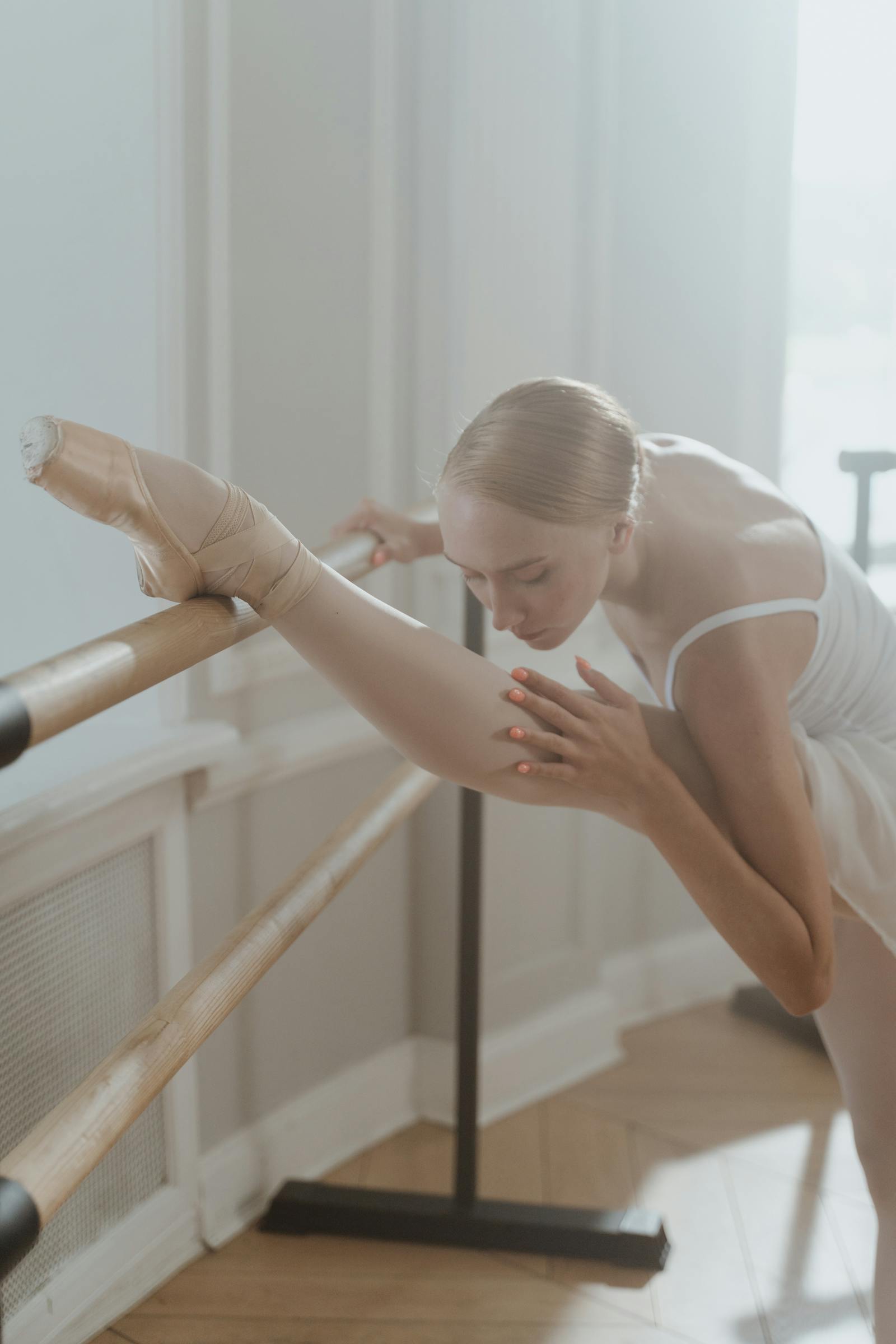
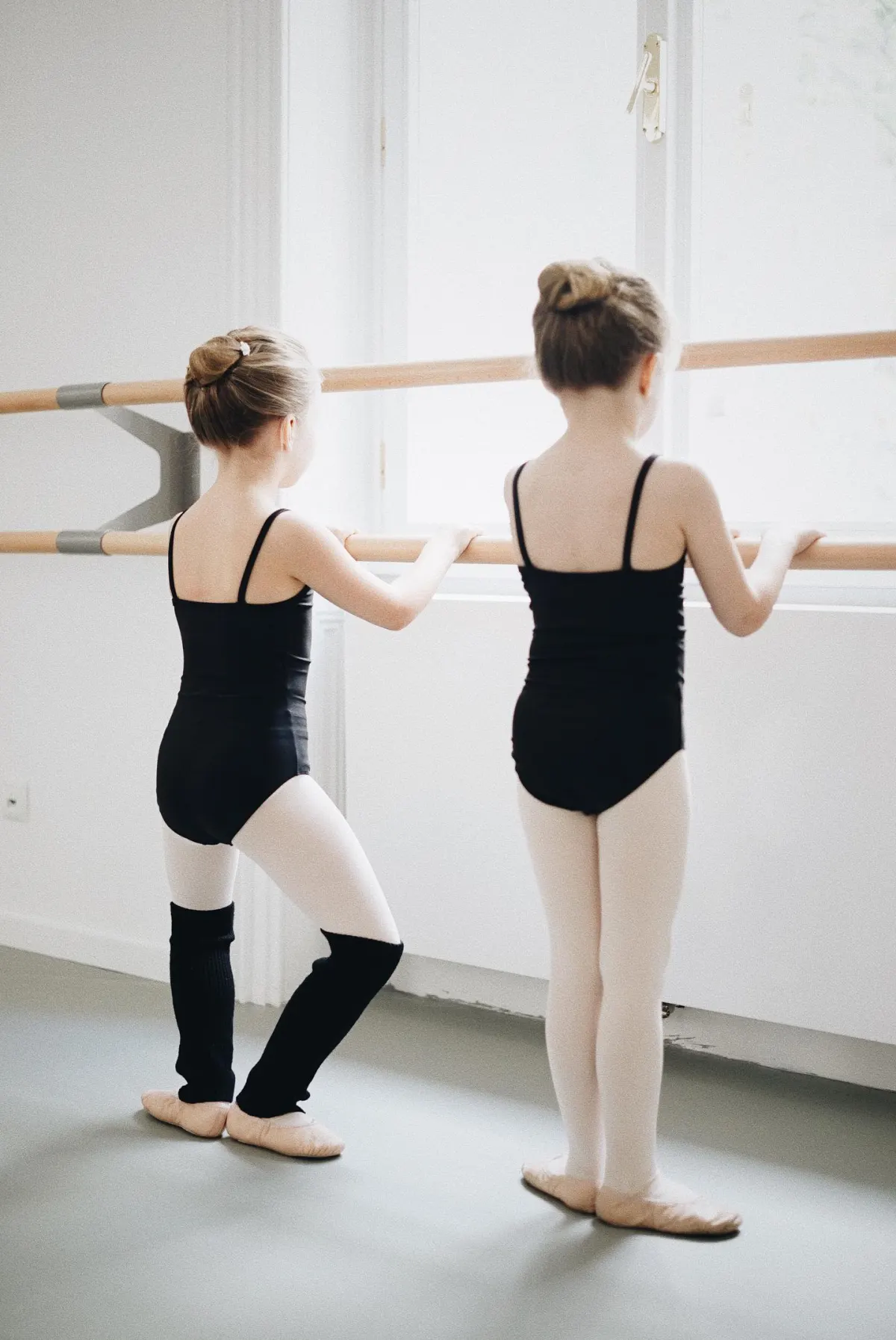
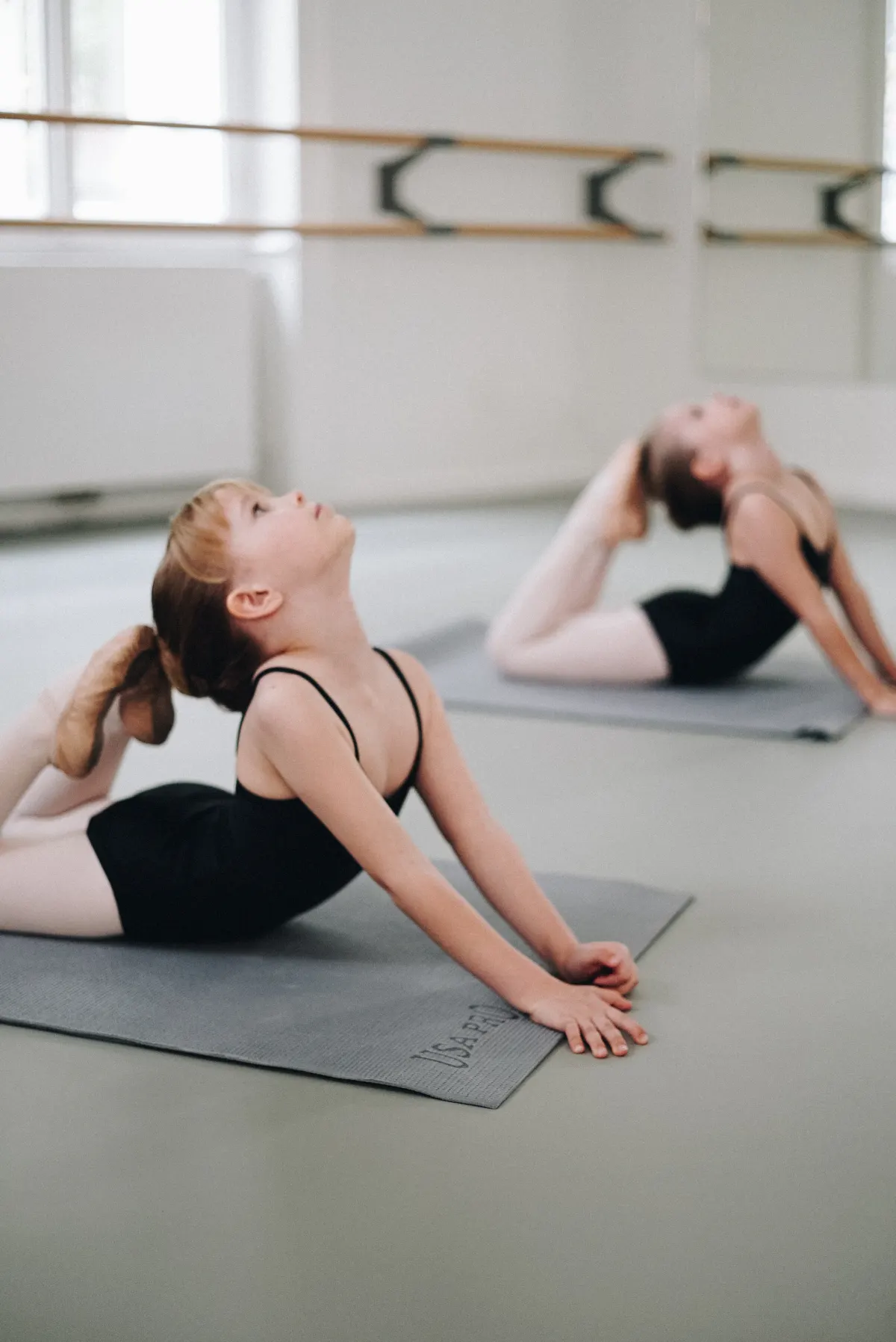
Ballet is an art, but the physical training underneath it is as demanding as any sport, and far more precise. A child learns to stand tall without stiffness, to find balance on one foot, to move the arms without lifting the shoulders, and to feel where the spine, the hips and the feet are in relation to each other. These are the things a teacher corrects, week after week, with a hand on a shoulder or a word about the back of the neck.
The point is not to make a professional dancer. It is to grow up in a body that has been taught to move well, and a child who has spent a few years at the barre usually carries that into every other sport, and into how they sit at a school desk. What ballet does for the body in more detail, and what the research says about it, is in a separate article on this site.
Patience, focus and trying again
Even a small success in ballet takes will. A clean tendu, a balance held for three counts, a first pirouette: each takes weeks of the same instruction, heard again and tried again. Children learn that progress is slow and real, that a correction is not a criticism, and that the only way past a difficult step is to do it once more, a little better. Willpower develops like a muscle, and ballet trains it several times a week.
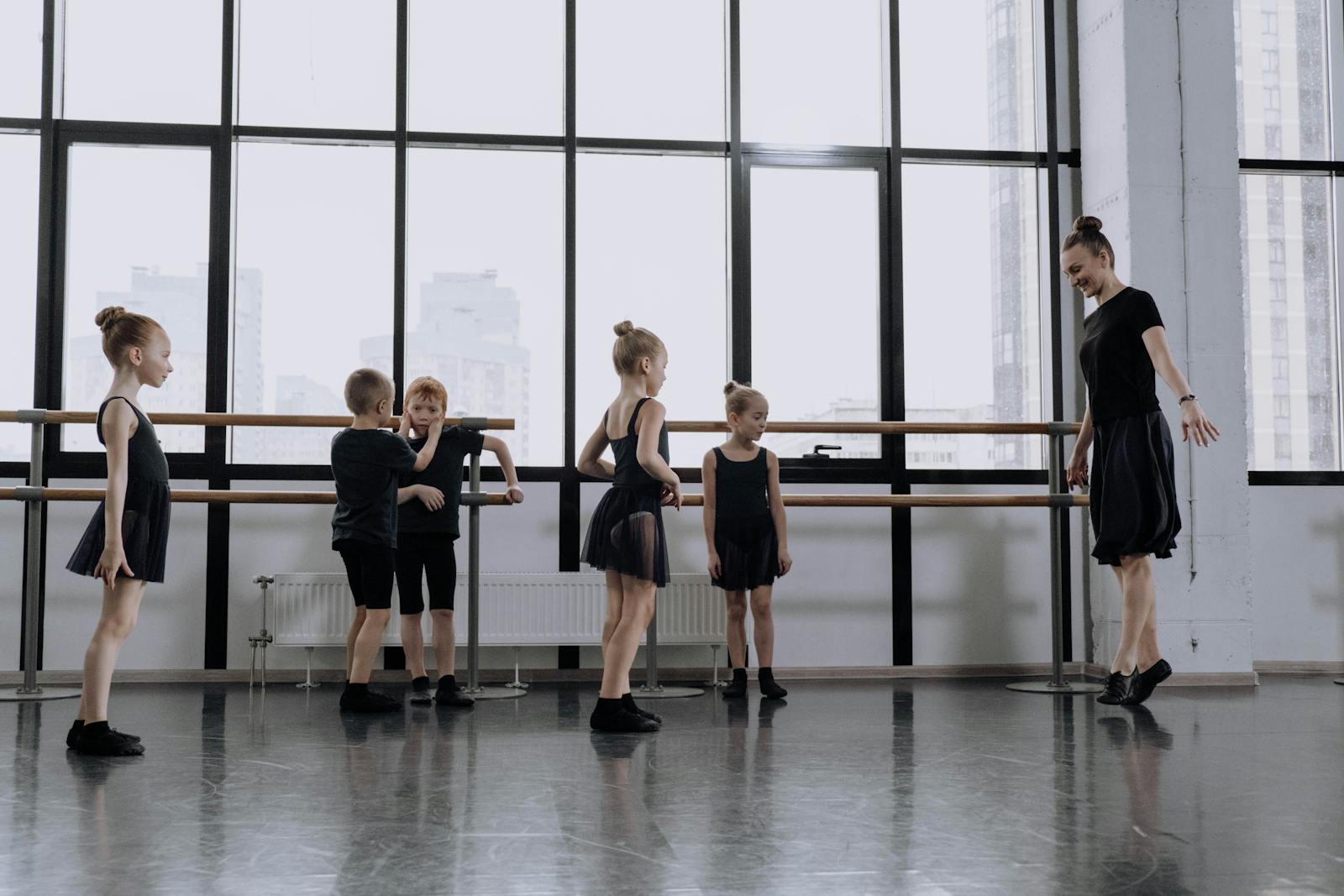
The structure of a class helps. It begins the same way every time, the exercises come in an order the children learn to expect, and the teacher is addressed with respect and speaks to the children with the same courtesy. Small children find this calming rather than strict. Older ones carry the habit of focused work into every exam, every performance and every challenge that asks for patience.
A room where effort counts
The ballet studio is one of the few places where it does not matter where a child comes from or what their parents do. What counts is effort, attention and the way you treat the person at the next place at the barre. In a small group of eight to ten, every child is seen, and the quiet ones are not lost behind the loud ones.
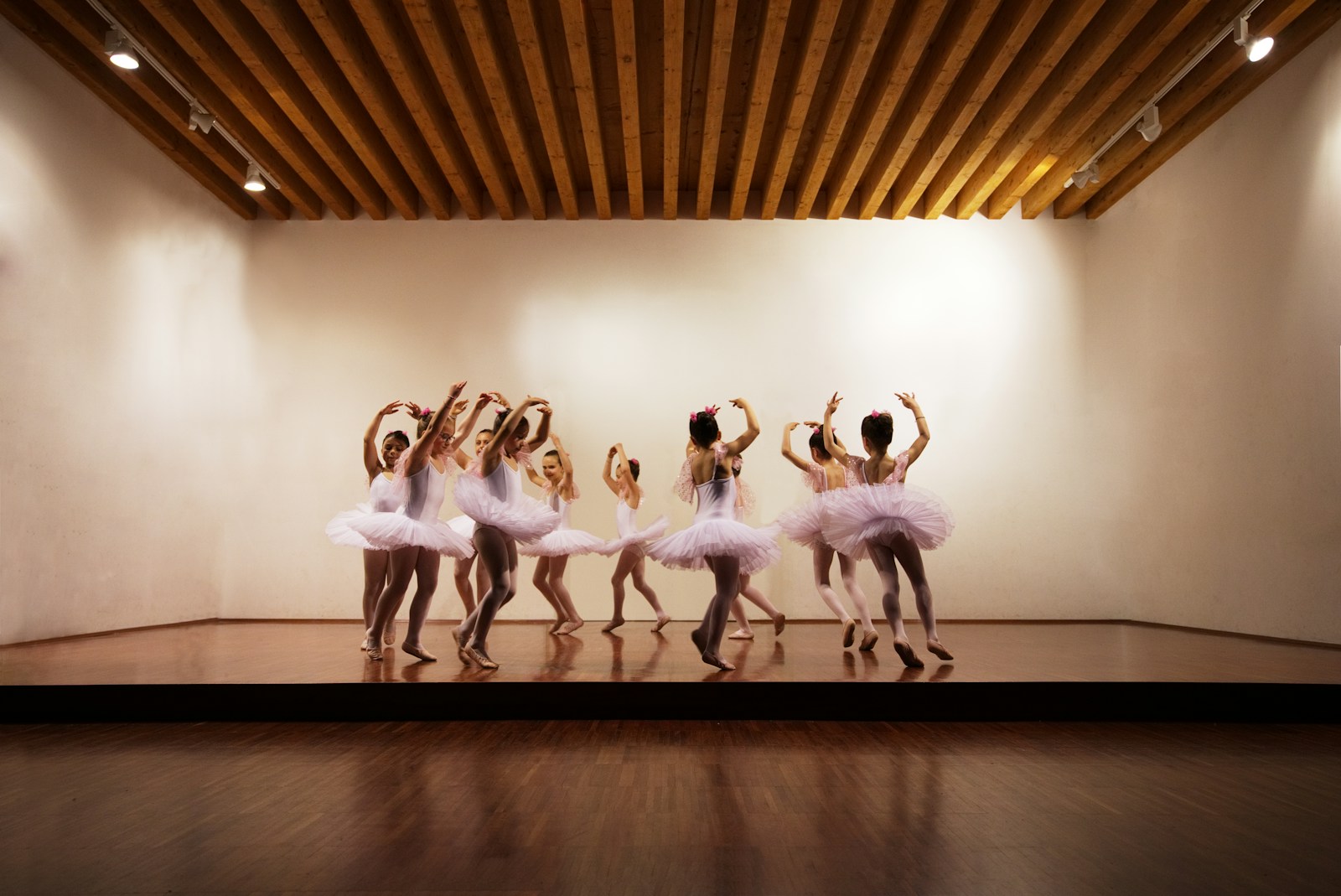
Children find real friendships here, formed not over screens but over shared work and shared music. They wait for each other’s turn, applaud a first clean jump, and, at our studio, are taught in English, German and Russian in the same room, which for many families in Vienna is a small world of its own.
The best argument is one class
Children’s ballet at ARTIS in Vienna runs in small groups by age, from Pre-Ballet at three to Teen Ballet at fourteen. The trial class for children is arranged with the studio and credited towards the first month if your child continues.
And if my child never becomes a dancer?
Then almost nothing is lost. Some children do go further: for those of ten to thirteen with at least two years of ballet who are thinking about a professional school, we run a Pre-Professional Junior group four times a week, led by Alexandra Somova. But that is not the real point of children’s ballet, and a good school does not treat every child as a future soloist.
The real point is that the musicality, the posture and the habit of patient work travel with a child wherever they go. Perhaps your child is a future dancer. Perhaps they are simply someone who will stand a little straighter, listen a little closer and try a little harder, because the barre taught them how. Both are good reasons to start.
When to start, and how often
Three is a good age for a first, playful class, five to six for ballet with real structure, and neither eight nor twelve is too late. At ARTIS, Pre-Ballet for three- and four-year-olds meets for forty-five minutes once or twice a week; from five, classes are sixty minutes, two or three times a week, which is the rhythm at which posture and technique actually settle. Two guides on this site go further: one on the right starting age, one on what happens in a class at three, five and eight.