GUIDE · CHILDREN
When Should My Child Start Ballet
What developmental science and the major schools say about age — and what to look for in a Vienna studio.
Alexandra·7 min read·MAY 2026
Parents arrive at this question from two directions, with the same worry underneath. One side fears starting too early — projecting a discipline onto a small body that is not ready for it. The other fears starting too late — that a future closes quietly while the family waits. Both worries deserve a serious answer, and the serious answer is more nuanced than a single number. There are three things to settle: what readiness actually looks like, what the great ballet schools actually do at each age, and what is taught — and not taught — in the years between two and seven. The honest version of all three follows.
What "ready" actually means
Readiness is not a yes or no. It is two measurable strands that mature on their own clocks, and a useful programme accommodates both.
The first is attention. The widely cited paediatric rule of thumb is roughly two to five minutes of focused attention per year of life, sustained on a task the child finds interesting. A three-year-old gives a class six to fifteen good minutes; a five-year-old gives ten to twenty-five; a seven-year-old can hold close to a half-hour with the right pacing. The second is gross-motor consolidation. The US-CDC data on three-to-five-year-olds shows that skipping, galloping, and hopping on one foot are emerging rather than reliable at three, and consolidate around five to six.
A three-year-old can give a few minutes to a song with shape. A five-year-old can hold a small sequence. Both belong in ballet — at very different formats.
What the major schools actually do
The age conventions in ballet split cleanly into two camps, and the split is informative.
The first camp is the syllabus schools. The Royal Academy of Dance opens its Dance to Your Own Tune programme from age two-and-a-half, with Pre-Primary in Dance from five and Primary in Dance from six. American Ballet Theatre's National Training Curriculum starts at Pre-Primary for ages three to four, Primary at five to six, and only crosses into graded technical levels around eight. What runs in the early window is creative movement and pre-ballet — explicitly not codified technique.
The second camp is the vocational academies. The Paris Opera Ballet School accepts its youngest cohort at age eight, on a six-month trial. The Vaganova Ballet Academy in St Petersburg admits at age ten. The Wiener Staatsoper Ballettakademie auditions children between ten and fourteen for its main eight-year programme, with preparatory courses for third- and fourth-grade primary pupils — roughly eight to ten — and no standing class below that. The children who become professional dancers begin formal technique within an eight-to-ten window, not earlier.
The parental implication is clean. A child who starts at six has not missed anything that mattered. A child who starts at three has begun something different — exploration, not training.
What is actually taught at each age
The International Association for Dance Medicine and Science is direct on the principle: exploration in rhythm, space, balance, and locomotion should precede formal training in ballet or any codified technique. Early dance is process-driven; technique is product-driven. The progression unfolds in four layers.
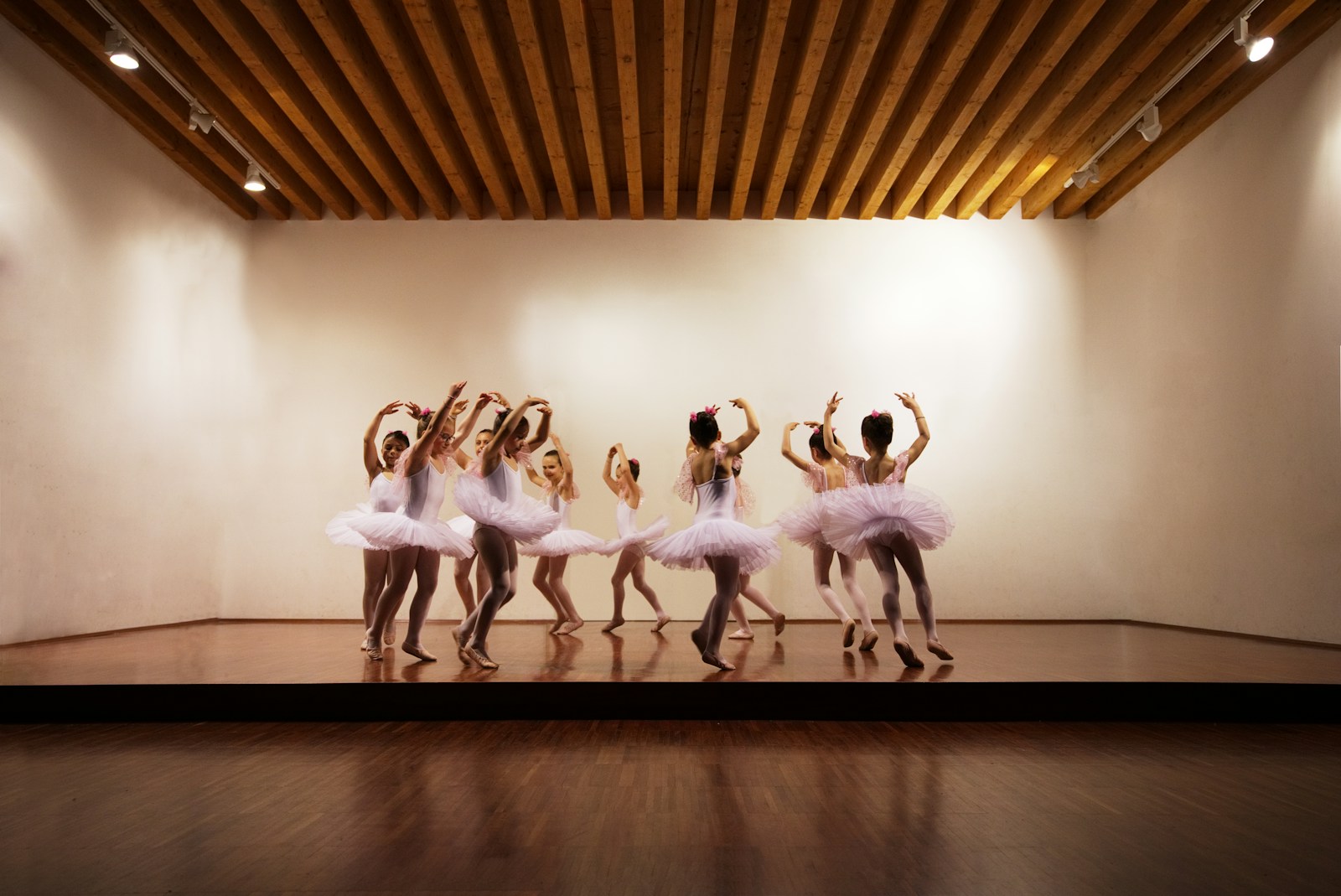
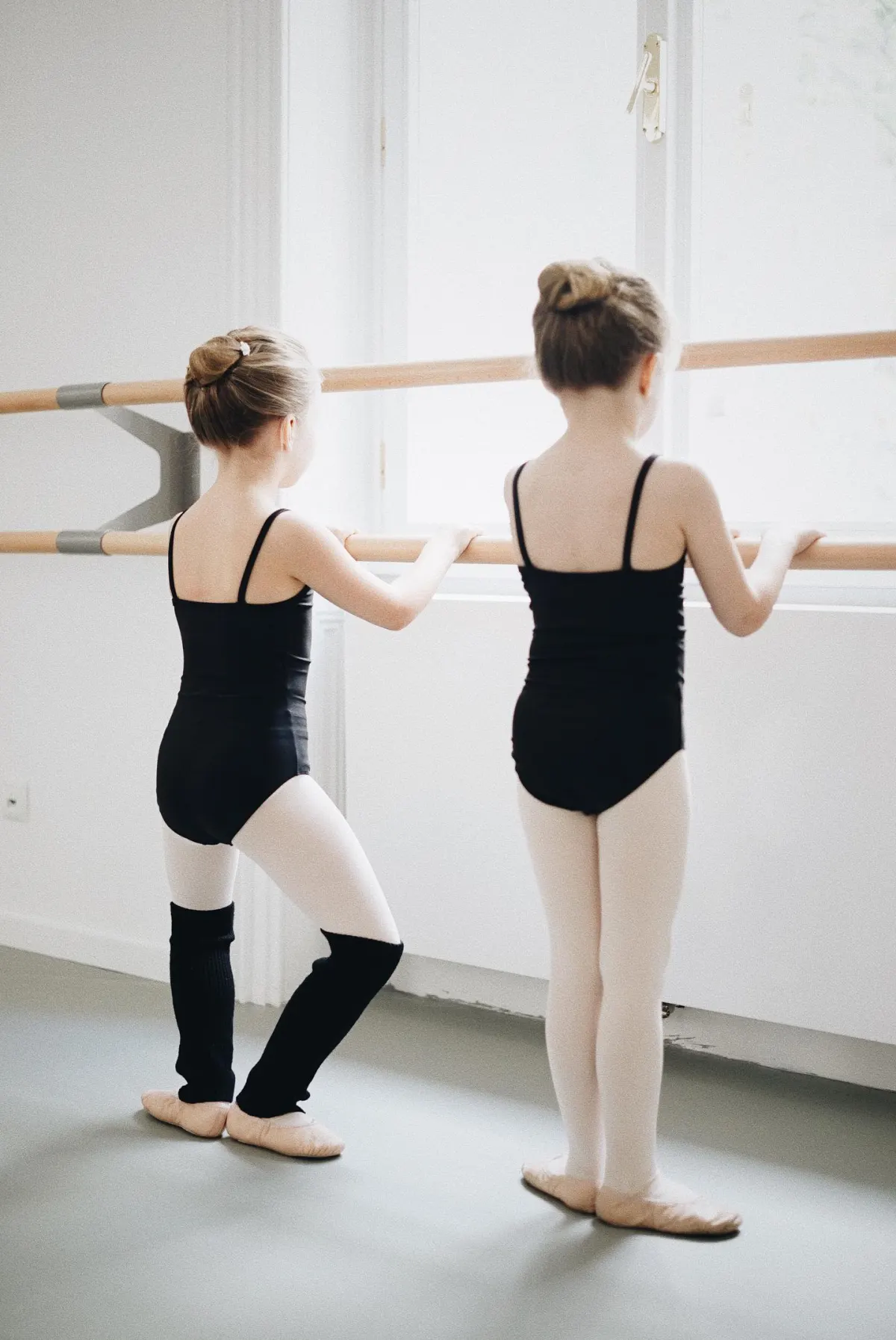
From roughly two to four, the work is creative movement — music, props, storytelling, basic walking and running and jumping patterns. No barre. No codified vocabulary. From four to six, pre-ballet begins. French terms enter as games, alignment as a posture story, the first positions as shapes to find. From six to eight, beginning ballet introduces short barre work, simple combinations, and the disciplined silence between exercises. From eight onward, structured technique starts in earnest — the codified syllabus, multiple classes a week, real corrections. A studio that runs the same class for every age in the two-to-eight band is teaching one of them well at most.
What such a class looks like from the doorway, at three, at five and at eight, is the subject of a separate guide on this site. This one stays with the question of when.
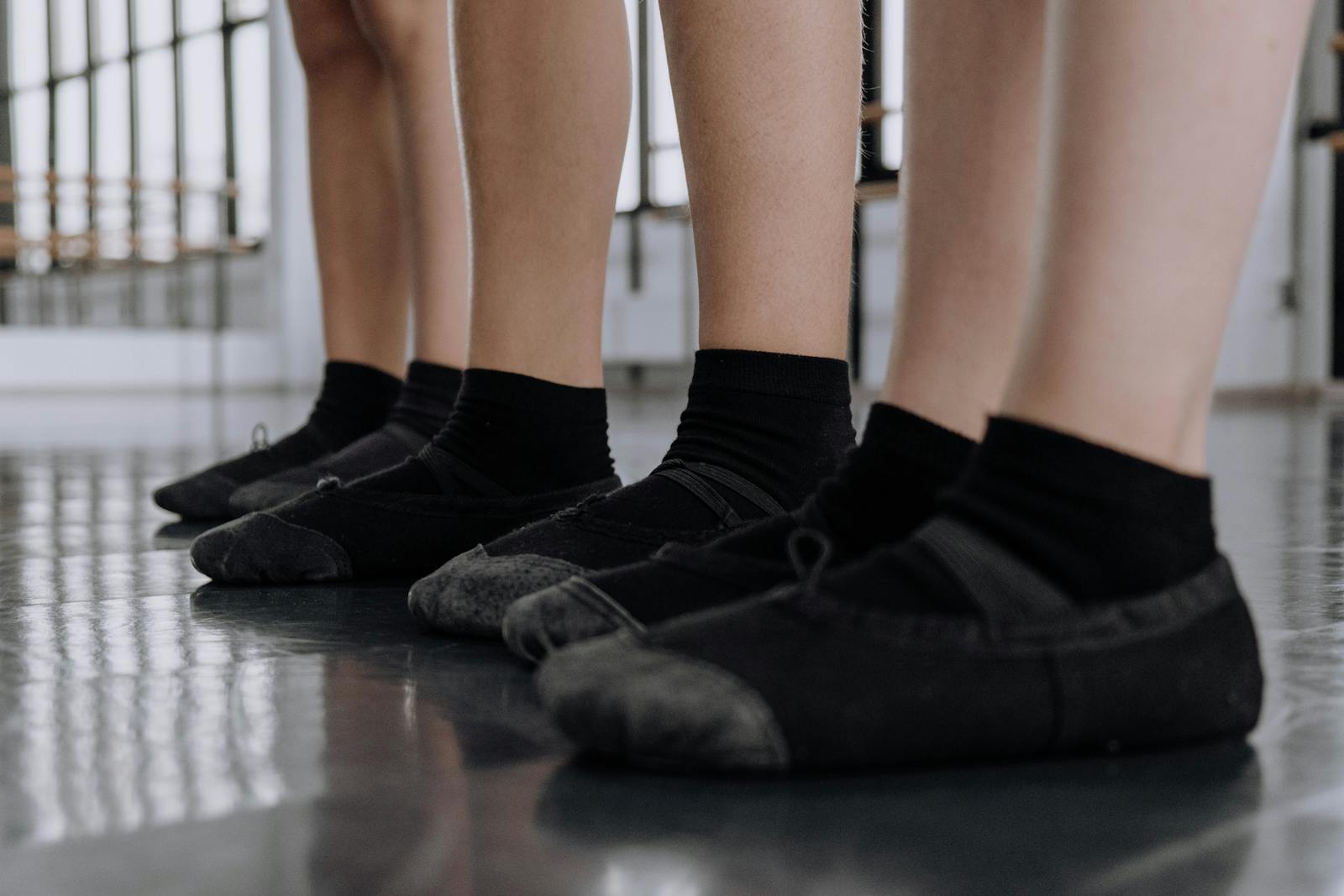
What "too young, too intense" looks like
The documented risk in ballet for young children is not enrolment. It is intensity in pre-pubertal bodies, and it has a literature.
The American Academy of Pediatrics' clinical report on early sport specialization names the pattern: children who specialize in a single sport before late adolescence carry elevated risk of overuse injuries from repetitive loading on growing tissue, plus burnout, anxiety, and depression. The Academy recommends fun and fundamental movement over training for competition before the body is built for it. Ballet, as an aesthetic discipline, carries additional priming risks — body-image conditioning that the literature traces back into childhood, and elevated eating-disorder rates across adolescent dancers.
A child in creative movement at three, once a week, in a class shaped around play, carries none of these patterns. A child in competitive-track technique at six — drilled three times a week, corrected on feet and turnout — carries most of them. The variable is intensity, not age.
The pointe question
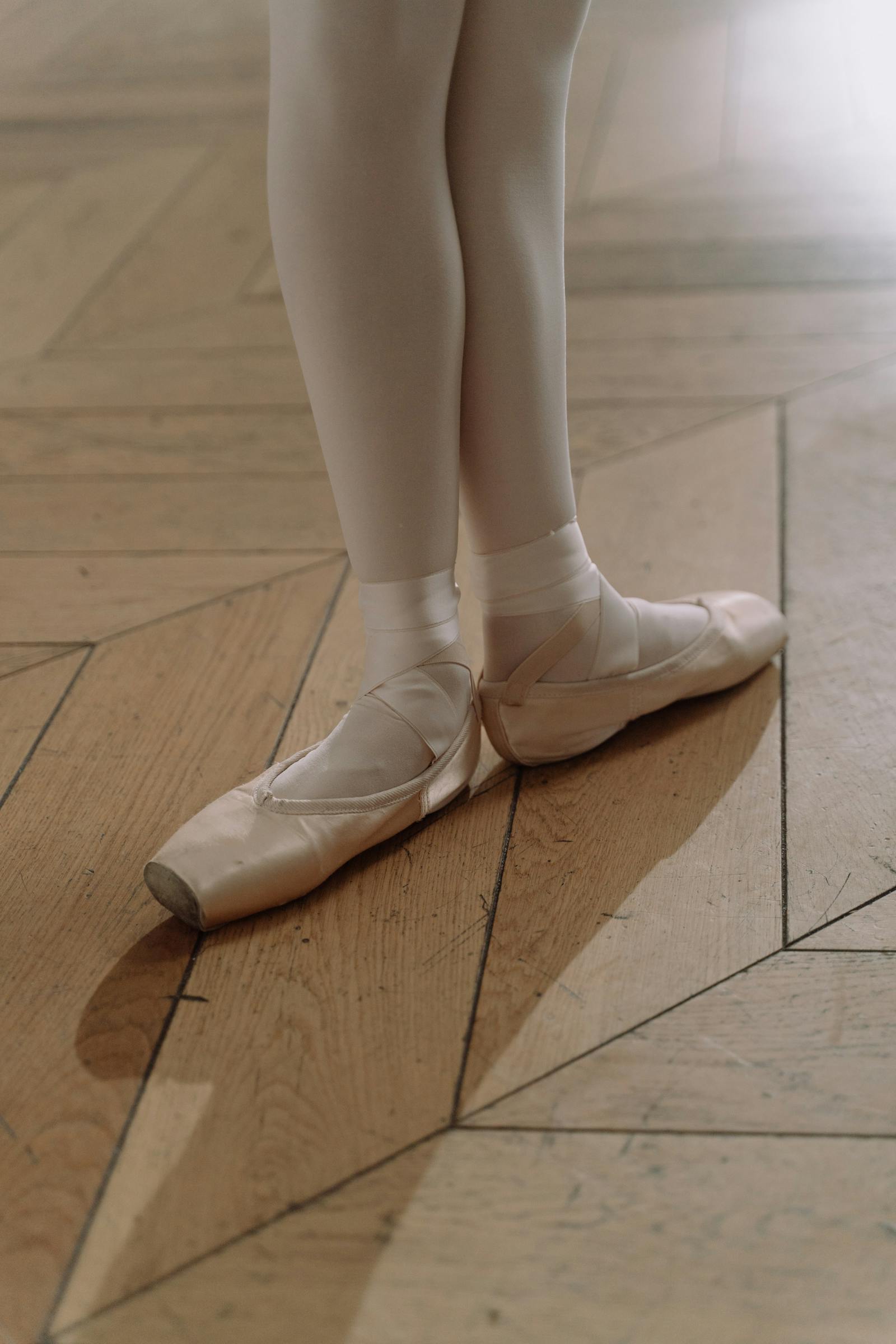
A dedicated article covers this in full; the short version belongs here. The international consensus across dance medicine is uniform: no child should be on pointe before age twelve, after roughly four years of consistent training, at a minimum of two classes per week, with strong feet, ankles, trunk, and pelvic control. Bloch and Washington University Orthopedics are sometimes cited for an absolute floor at age eleven even when readiness is complete, but the safe-default position remains twelve. A studio that puts younger children on pointe to please parents is an immediate exit signal — not a debate.
The right age is the one your child can actually meet
Children's classes at ARTIS in Vienna run age-appropriate from creative movement through to beginning technique. Small groups, Vaganova method, taught in English, German and Russian.
What to look for in a Vienna programme
Five practical signals when visiting a Vienna studio, drawn from the conventions above.
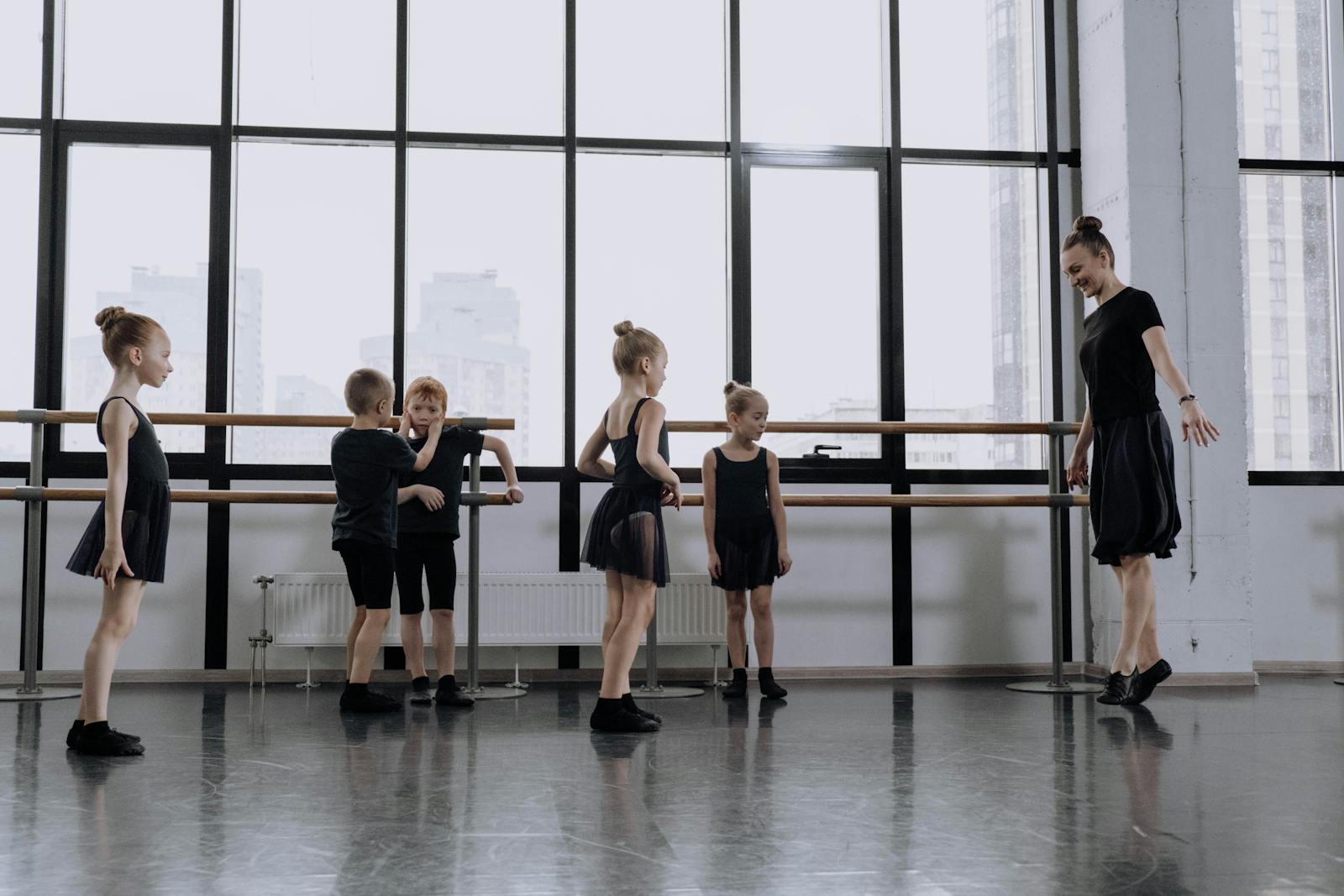
Classes are split by age, not by experience alone — a three-year-old does not belong in a six-year-old's class. Class length matches the age — thirty to forty-five minutes at three and four, forty-five to sixty at five, sixty at seven and above, in short changing activities the paediatric attention rule supports. The first weeks are exploration, not correction — five-year-olds are not told to fix their feet. The method is named — Vaganova, RAD, or Cecchetti — and the teacher can articulate what changes between age groups in plain terms. No child goes on pointe before twelve, under any circumstance.
A studio that meets these five signals is teaching the child in front of it. A studio that misses two or three is teaching a class plan.