GUIDE · HEALTH
Is Ballet Healthy Really?
What the dance-medicine research actually says — and the line between recreational practice and elite-track intensity.
Alexandra·7 min read·MAY 2026
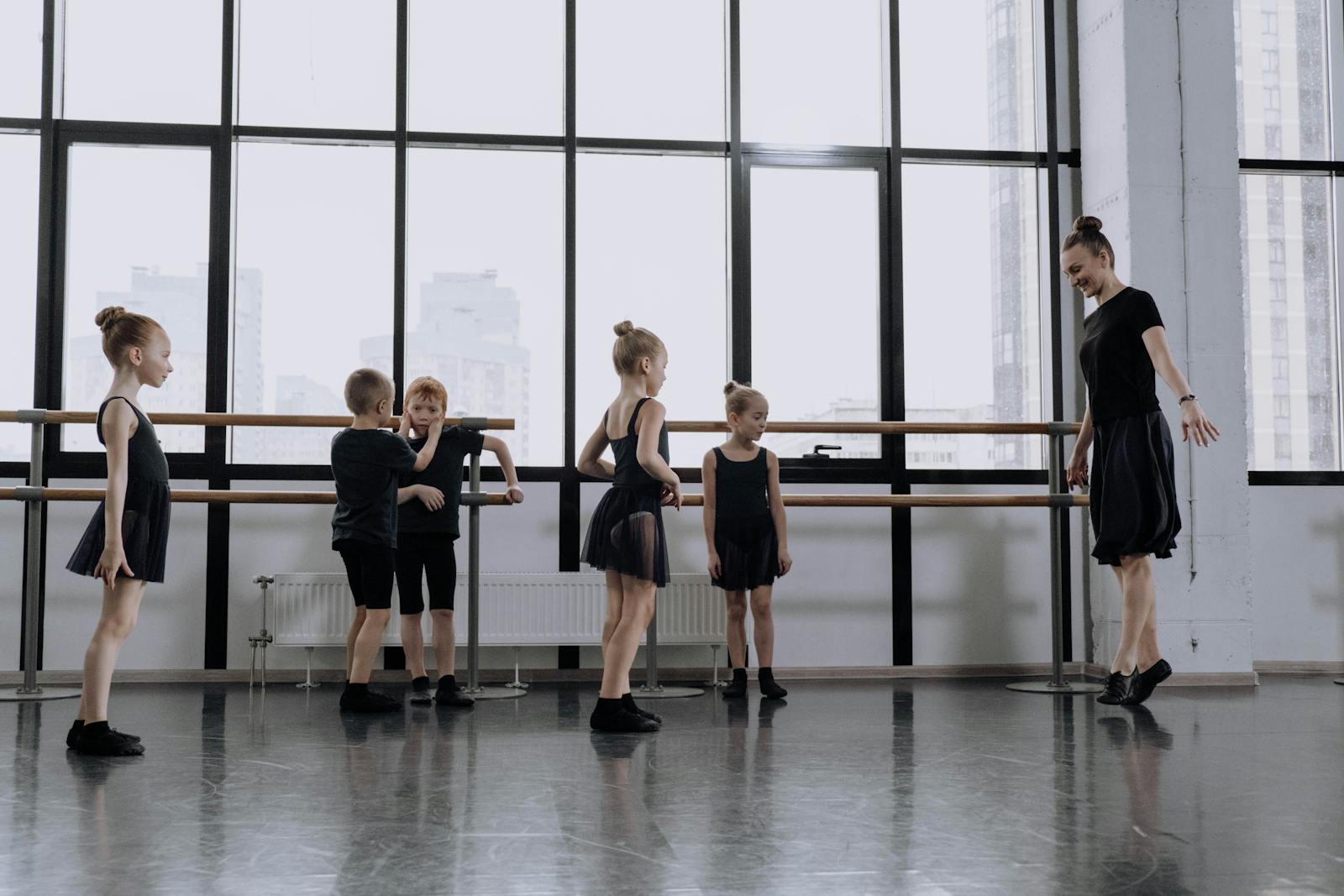
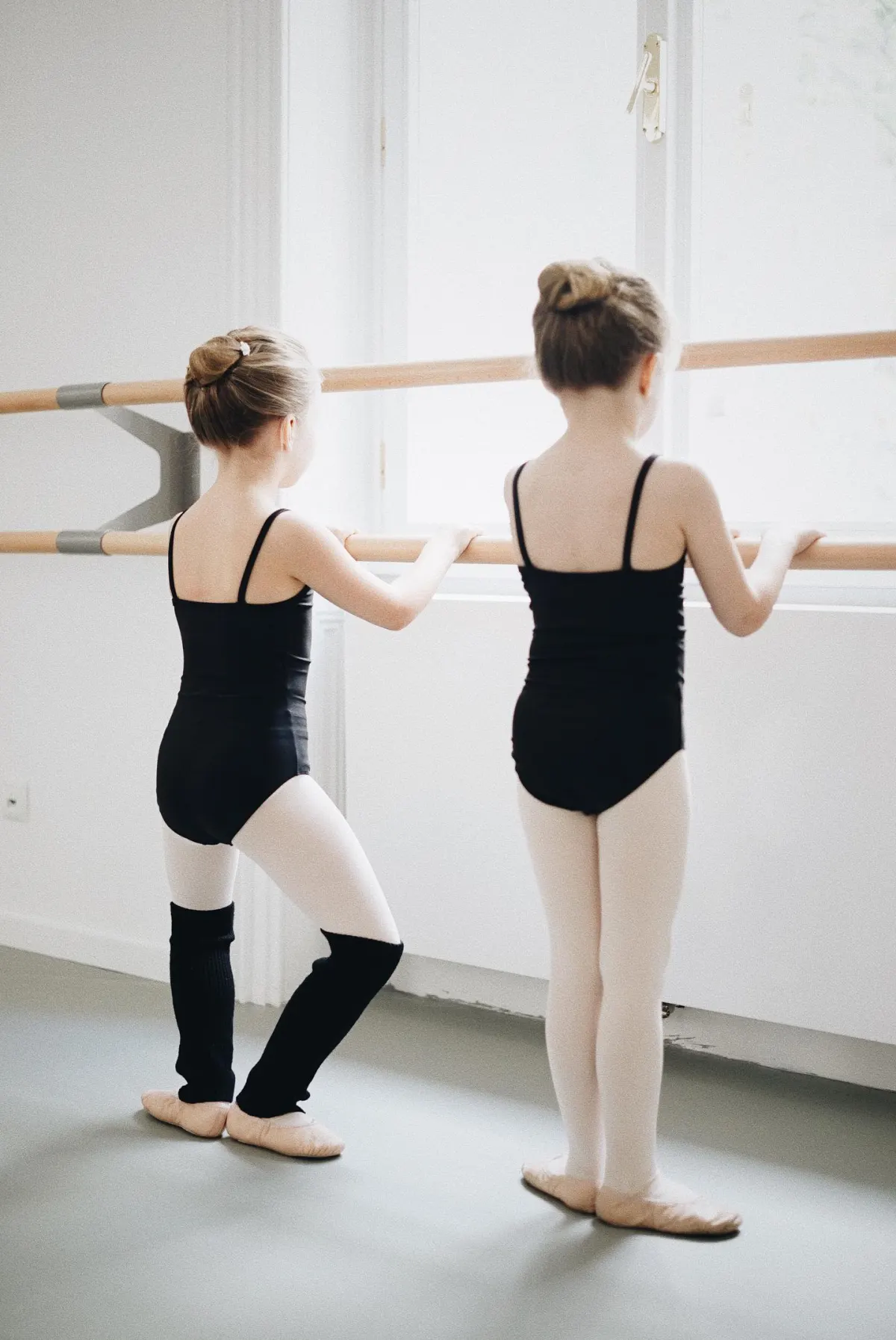
Parents arrive at this question with a real worry: that ballet, however lovely it looks, quietly damages the bodies of the children who do it. The serious answer needs a distinction the public conversation rarely draws. Recreational ballet — one to three classes a week, age-appropriate, without early pointe — is one population. Vocational and pre-professional ballet — ten or more training hours a week, audition pressure, weight scrutiny — is another. The two populations have different injury rates, different bone-density patterns, different psychological exposures, and different evidence bases. Holding that line is the difference between a useful answer and a misleading one. The honest version of both follows.
The injury rate, in numbers
The aggregate figures are calmer than the public conversation suggests. The 2018 systematic review by Vassallo and colleagues in the Journal of Sports Sciences pooled injury incidence across recreational, elite-student, and professional dancers and reported a range of 0.8 to 4.7 injuries per thousand dance hours, with no clear gradient between recreational and elite groupings. The Smith ballet-specific systematic review put amateur ballet at roughly 0.97 injuries per thousand hours; professional incidence in the same review was 1.06 for men and 1.46 for women — recreational practitioners are injured less, not more, than the dancers who do it for a living. Of the injuries that do occur, sixty-four per cent of female and fifty per cent of male ballet injuries are overuse rather than acute trauma; lower-extremity sites account for seventy-five to ninety-one per cent of the total. A prospective study of pre-professional adolescents put yearly injury rates at 0.76 to 2.54 per thousand dance-hours — even at vocational intensity, the time-loss rate sits below one per thousand. A comparison study of paediatric emergency presentations found gymnasts roughly 3.84 times more likely to present with a fracture than dancers. The numbers do not name recreational ballet as a high-injury sport.
What the research actually attributes to ballet
Three benefits are documented at recreational dosing. Bone density: the Amorim meta-analysis reports higher bone mineral density at lower-limb weight-bearing sites — femoral neck, femoral trochanter, Ward's triangle — in adolescent ballet dancers compared with age-matched controls, consistent with the site-specific osteogenic effect of mechanical loading. Khan's follow-up cohort in Osteoporosis International found that self-reported ballet hours per week at ages ten to twelve were positively associated with adult hip bone density measured decades later. Balance and strength in adults: a ten-week classical ballet intervention in women aged fifty and above produced significant improvements in lower-limb strength and balance with no adverse events recorded; a twelve-week online ballet and modern-dance programme reported the same direction of effect. Neuroplasticity: a six-month dance intervention in older non-experts produced measurable functional MRI brain changes, and a Frontiers in Aging Neuroscience review frames dance as one of the few activities that combines aerobic load, motor learning, music, and social engagement in a single dose. The benefit research is recent, peer-reviewed, and largely studies recreational populations.
The recreational-vocational distinction — this is the key
The harms parents fear are real — for one population. Relative Energy Deficiency in Sport, low bone mineral density at non-loaded sites, elevated eating-disorder prevalence, overuse injuries: all cluster in vocational and pre-professional populations training above ten hours per week, often with early pointe, in environments that scrutinise weight. The 2023 International Olympic Committee consensus statement on relative energy deficiency and the 2024 dance-specific RED-D consensus — formally endorsed by the International Association for Dance Medicine and Science — define the syndrome as a problem of energy availability against training load, not a property of ballet itself. The Arcelus meta-analysis reports a pooled eating-disorder prevalence of 16.4 per cent across ballet dancers, with relative risk roughly three times the non-dancer population — and the recreational-versus-pre-professional comparison in Eating and Weight Disorders found that the clinically diagnosable rate is dominated by the high-intensity group. The environmental analysis is just as direct: teachers, peers, and parental commentary on weight are named as the largest influencers of dancer body image, with adolescence as the sensitive window. The American Academy of Pediatrics names a clean rule of thumb: weekly training hours should not exceed the child's age in years, with at least two rest days per week and a hard caution above sixteen hours. A six-year-old taking one to two classes a week is not in the specialisation population. A twelve-year-old training fifteen hours a week is. Recreational practice and vocational training share a vocabulary and very little else.
Where ballet does hurt people, and why
Recreational ballet is not risk-free; no movement practice is. The injuries that do occur are predictably overuse, predictably located, and predictably preventable. The foot, ankle, knee, lumbar spine, and hip carry roughly seventy-five to ninety-one per cent of the load; foot and ankle alone account for thirty-nine to fifty-three per cent. The single strongest documented mechanism across populations is forcing turnout beyond what the hip joint allows. The Negus study in JOSPT measured a mean compensated turnout of 25.4 degrees in injured dancers against 4.7 degrees in uninjured peers — the difference is structural, not random. Compensating that limitation downstream at the knee, ankle, and lower back is the direct mechanism behind most ballet pain. The protection is also structural: teachers who teach within the available hip range, not against it.
The honest answer needs a studio that respects the line
ARTIS in Vienna keeps recreational classes recreational — one to three classes a week, small groups, no rush onto pointe.
What dance medicine recommends
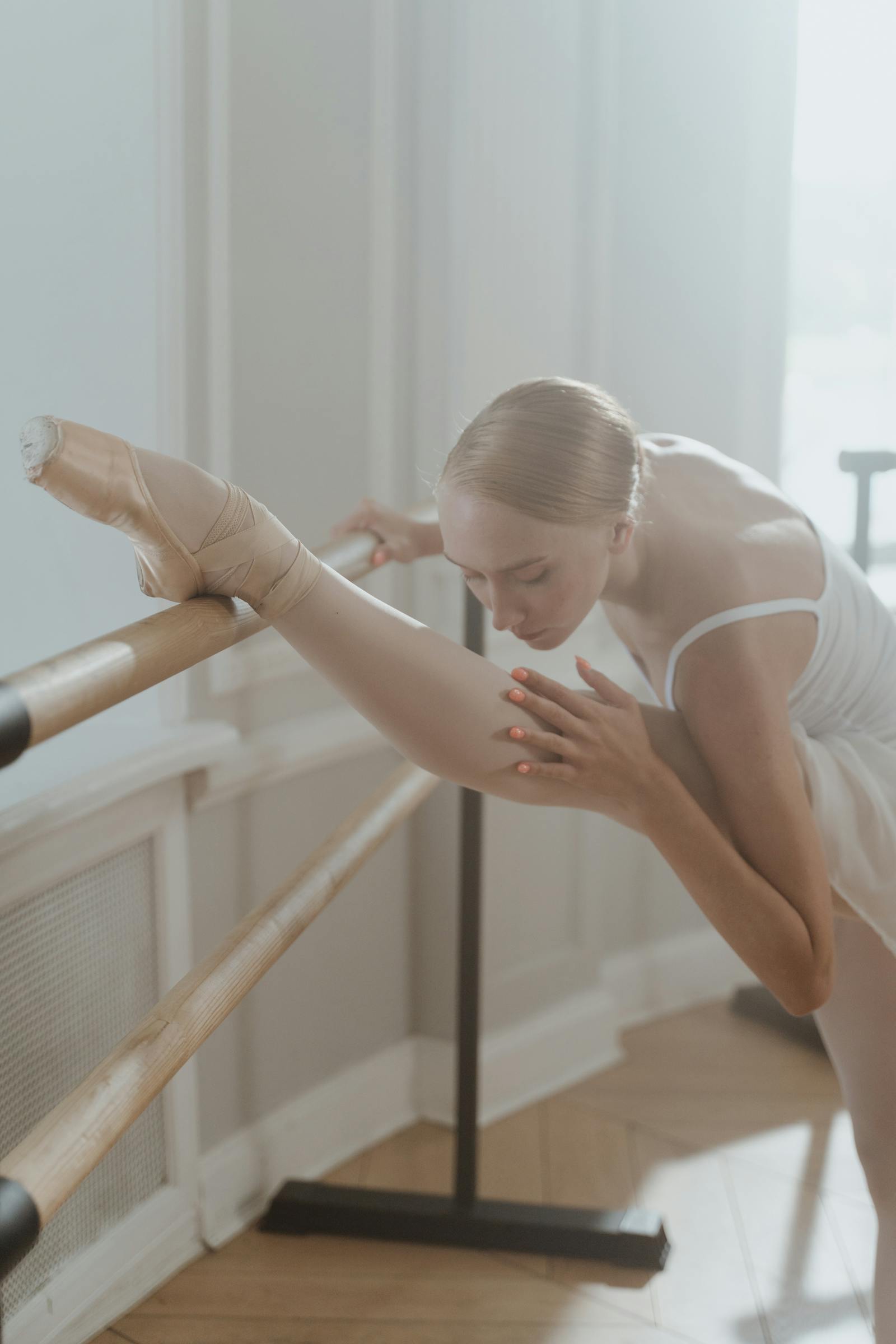
The evidence-based protective stack for safe recreational practice is short and unromantic. Warm-up first: the IADMS resource paper on warm-up is explicit that dynamic stretching at end-range belongs before class, while static stretching belongs after the body is warm, since pre-class static stretching can impair balance, proprioception, and jumping ability. Supplemental conditioning twice weekly: bodyweight strength and aerobic work outside of class, framed by IADMS as part of dancer health rather than an admission that class is insufficient. Class frequency that matches age and life stage: one to three classes a week for recreational practice, two or more for adults seeking progress, never above hours-per-week equal to age-in-years for children. The 2013 systematic review on dance injury prevention identifies these three components — warm-up, conditioning, and load management — as the protective stack a recreational dancer needs.